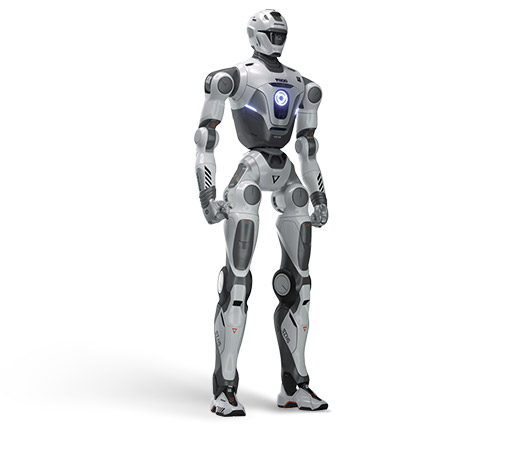
Neura Robotics has unveiled a new generation of its 4NE1 humanoid robot, timed to the opening of RoboGym, a €17 million research and training center built with the Technical University of Munich (TUM) near Munich Airport, according to Robotics & Automation News.
A hardware upgrade announced alongside a dedicated academic research facility signals an R&D pipeline, not a one-off demo. For buyers tracking the humanoid comparison sheetthat distinction matters this year: 2026 has been described as the "year of mass production" for humanoid robots, per the same report, and the question for any platform is whether it can keep improving hardware fast enough to stay competitive as the market shifts from demos to shipped units.
The scale-up context
The numbers behind that label are substantial. Humanoid robot output exceeded 40,000 units in the first half of 2026, and full-year production is projected to surpass 100,000 units, according to Robotics & Automation News. That marks a shift from a market defined by prototypes and trade-show demonstrations to one with real production volume.
A related, if adjacent, data point: North American robot orders climbed 24.8% in the third quarter of 2026, according to A3 figures reported by The Robot Report. That figure is not humanoid-specific, but it points to broader momentum in industrial automation demand.
There is a supporting layer to this that gets less attention than the robots themselves: training data. Maxinsights raised $30 million in seed funding for a physical AI data platform that generates training data used by robots, per Robotics & Automation News. As humanoid platforms move from controlled demos to varied real-world tasks, data quality becomes as consequential as actuators and sensors.
Why the TUM partnership matters
RoboGym is a concrete, funded commitment: a physical facility built with a research university, intended to run for years rather than one product cycle. That matters because humanoid hardware iterates quickly right now; platforms without an anchored research pipeline risk falling behind on the next generation of actuators, grippers or control software. A university partnership does not guarantee commercial success, but it is a credible signal of sustained investment behind the 4NE1 line, more useful than a polished keynote clip.
Specifics on what changed in the new 4NE1 generation were not detailed in the RoboGym announcement covered by Robotics & Automation News. Buyers evaluating the Neura Robotics 4NE1 against competing platforms should watch for follow-up detail on payload, dexterity or autonomy claims, and weigh those against what is already shipping, via the best humanoid robot rankings.
What this means for buyers
The lesson of 2026's production numbers is not that every humanoid maker is suddenly shipping at scale. It is that the market is splitting: a smaller group of makers with real manufacturing capacity and sustained R&D investment, and a longer tail still working through the prototype-to-product transition. Neura's RoboGym opening places it, at least rhetorically, in the first group. Whether that translates into units in the hands of commercial or research buyers depends on execution after the ribbon-cutting, not at it.
For anyone pricing out a purchase or deployment, the humanoid robot price tracker remains the more reliable gauge of what is actually available today versus what is still a research preview.