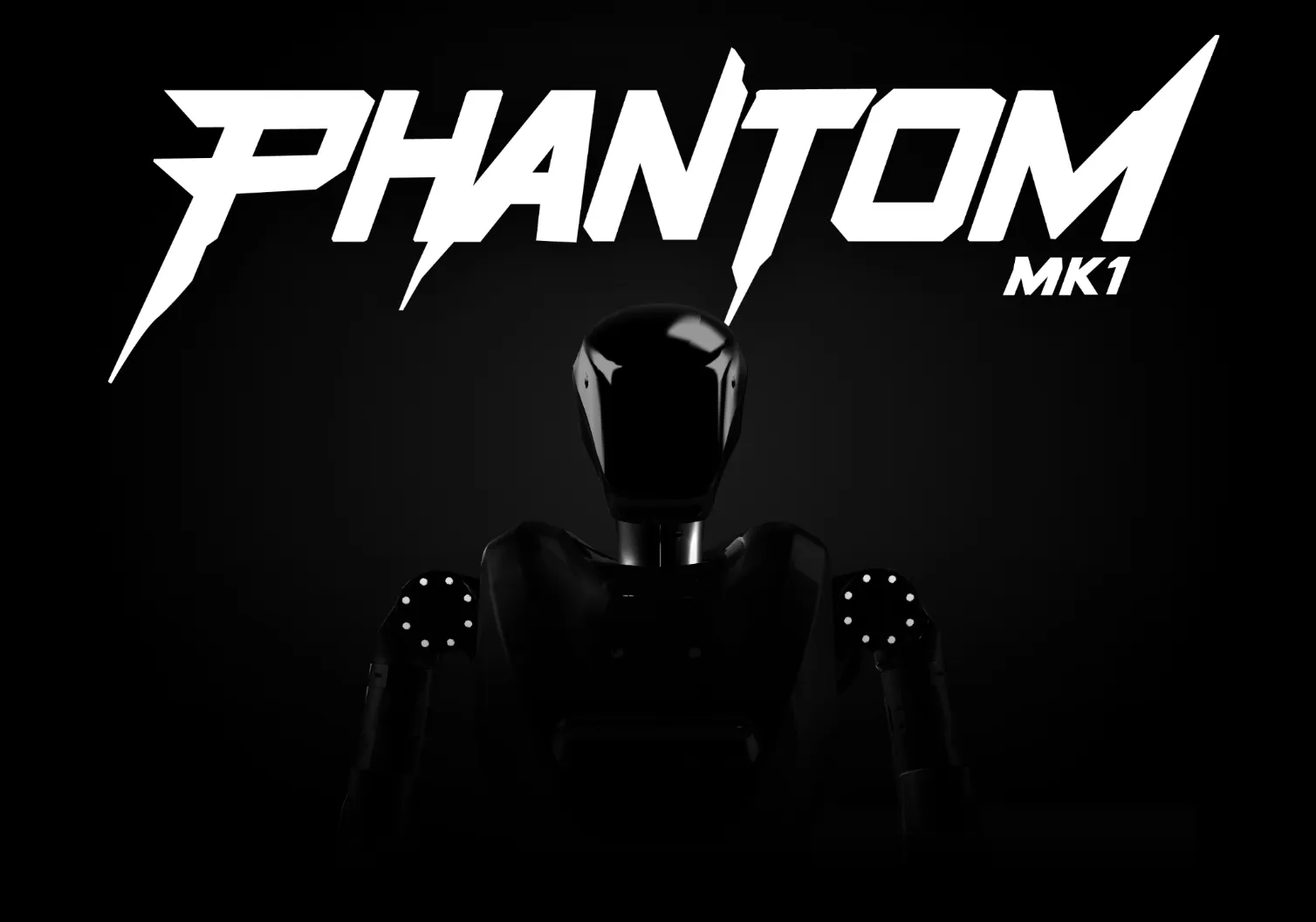
Foundation Phantom MKII
Second-generation Foundation humanoid in aluminium, built for heavy industry and defense, with a 90 kg close-carry payload, 29 degrees of freedom and shift-length runtime.
Prototype.Unveiled in November 2026; Foundation targets production of MKII units in early 2027. Introduced in 2026.
- Degrees of freedom
- 29
- Payload
- 90 kg
- Runtime
- 240 min
- Weight
- 88 kg
Best for: Research & development, Factory & logistics, Home help (early), Education.
Good humanoid robot (71/100). It stands out most for payload (100/100). Highlight: 90 kg close-carry payload. Main trade-off: no public price.
Specifications
- Availability
- Prototype
- Degrees of freedom
- 29
- Payload
- 90 kg
- Runtime
- 240 min
- Height
- 183 cm
- Weight
- 88 kg
- Locomotion
- Bipedal
- Main use
- Industrial
- Made in
- United States
- Year
- 2026
Specs checked November 2026. Sources: foundation.bot, humanoid.guide, fastcompany.com, aiweekly.co. A missing value has not been published by the maker.
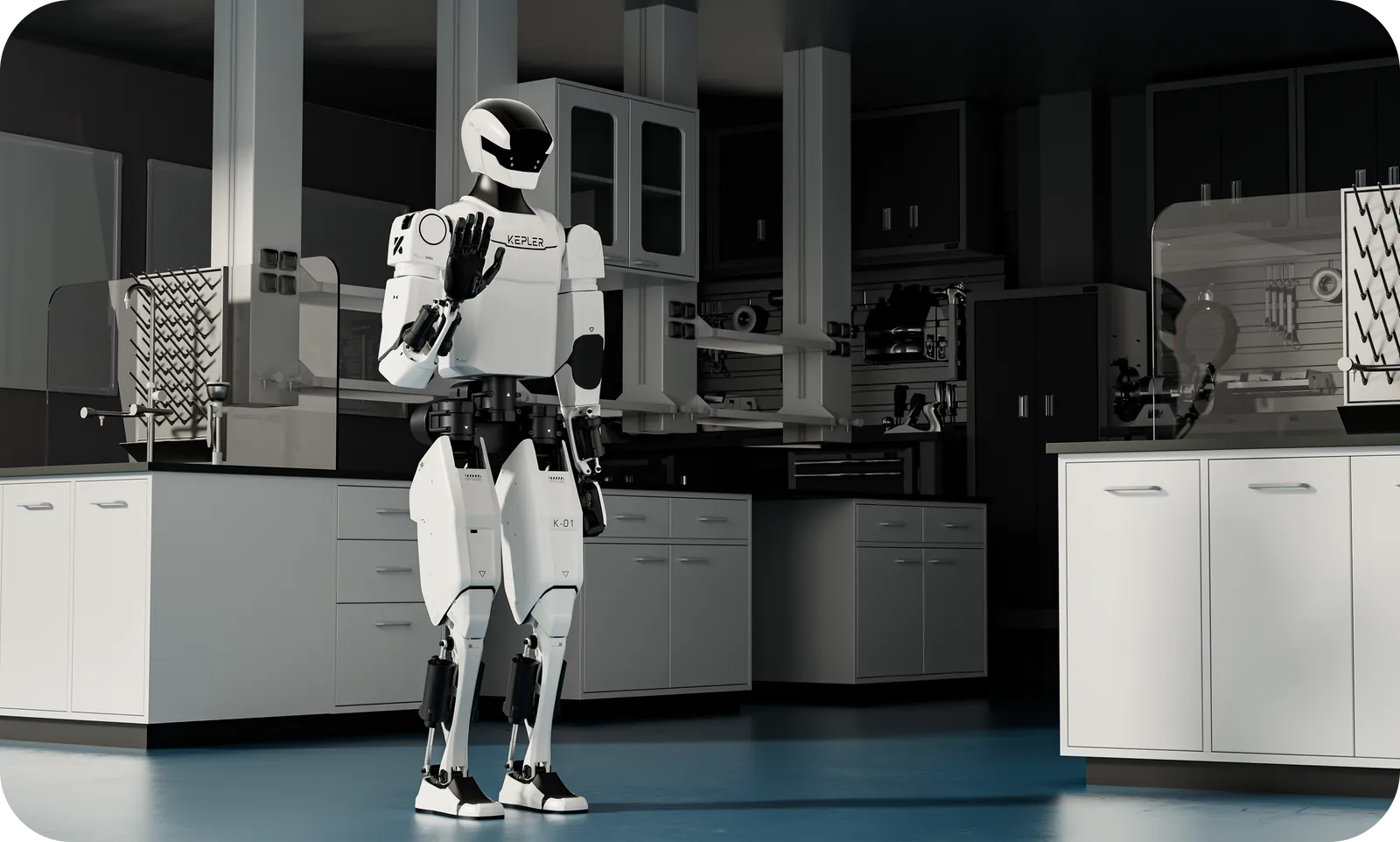
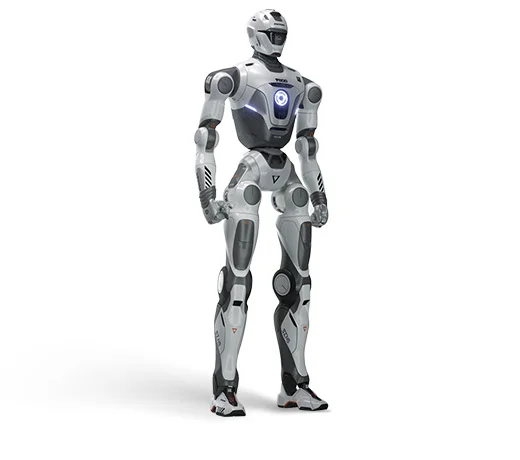
Size next to its rivals
Published height, on one scale.
Score breakdown
Rated across 6 criteria
Pros
- 90 kg close-carry payload
- 4-6 h runtime
- Works in rain and dust
Cons
- No public price
- Production only from 2027
- Defense use is controversial
Owner reviews
A strong humanoid robot with real strengths
In our independent assessment, the Foundation Phantom MKII earns 71/100, a good humanoid robot.
Its strongest area is payload (100/100), followed by battery life (92/100). In practice, 90 kg close-carry payload.
The main caveat is availability, where it scores 52/100. Specifically, no public price.
A dependable pick if its strengths line up with your priorities.
Community reviews
No community reviews yet. Be the first to share yours.
Want to review the Foundation Phantom MKII ?
Sign in to write a reviewFrequently asked questions
Can I actually buy a humanoid robot?
Yes, but mostly research and developer models (Unitree, Booster, EngineAI and others) that ship today. Most general-purpose humanoids are still in paid pilots, pre-order or prototype: check the Availability line before you plan around one.
How much does a humanoid robot cost?
Small developer humanoids start at a few thousand euros; full-size research platforms start around 17,000 € and advanced ones reach about 100,000 € or more. Industrial humanoids are usually sold or leased on quote, so no public price is listed.
What can humanoids do today?
Current models walk, balance, carry modest payloads and perform scripted, learned or teleoperated tasks. Fully autonomous household help is still emerging.
What do degrees of freedom (DoF) tell me?
Each DoF is one joint axis the robot can move. More DoF, especially in the hands, means more dexterous manipulation, but also more to calibrate and maintain.
Do they come with an SDK?
Research-focused humanoids ship with an open SDK or ROS support for programming and experiments; commercial units are typically locked to the vendor's software.
Compare the Foundation Phantom MKII with the top alternatives
Score, price and specs, side by side.
Alternatives from other brands
Other humanoid robots worth comparing